IAEF Summit 2026 · Cape Town, South Africa
India-Africa Human Capacity Corridor
Launching July 13, 2026 — a bilateral platform for Education, Skills, Employability and Entrepreneurship across two of the world's most dynamic growth regions.
About the Corridor
About the Human Capacity Corridor
The India-Africa Human Capacity Corridor is a bilateral platform designed to bring catalytic effect to India-Africa economic and investment initiatives. It connects entrepreneurial ecosystems and co-creates the talent infrastructure both regions need for long-term growth in Education, Skilling, Employability and Entrepreneurship, in this era of rapid technological advancements, particularly in artificial intelligence, that are transforming economies and governance.
Assessments › Education › Skills › Employability › Mobility
The African Union's Agenda 2063 places education and skills transformation at the heart of its long-run development strategy, calling explicitly for a Skills Revolution underpinned by Science, Technology and Innovation. UNESCO's continental education strategy (CESA 16-25) reinforces this by linking skills development directly to SDG4 priorities.
More than 60 percent of Africa's population is below age 25, making education-to-work pathways decisive for growth and stability. Capacity building must be outcomes-oriented and measurement-driven, not seat-time driven. This is the premise of the Corridor.
Proof Institutions Already Operating
Two operating campuses give the HCC immediate institutional credibility, converting the corridor concept into visible, working precedent from day one.
60%
of Africa's population is below 25 years, making education-to-work pipelines decisive for growth.
UN DESA
80%+
Learning poverty rate in Sub-Saharan Africa. Outcomes-oriented capacity building is critical.
World Bank
2063
AU Agenda 2063 mandates a Skills Revolution underpinned by Science, Technology and Innovation.
African Union
SDG4
Quality Education forms the core of CESA 16-25, aligned directly to the HCC value chain.
UNESCO / CESA
Excerpts from the address by Hon. Deputy President of South Africa, on May 30th, 2026 in Delhi. His address gives enough reasons why the India–Africa Human Capacity Corridor is the need of the hour. Let us create the envisioned impact!
Read the excerpts →Human Capacity Corridor · India – Africa
A structured scaling of a proven relationship.
“ The India–Africa HCC is not a new idea — it is the structured scaling of a proven relationship, at a time when the world urgently needs new, inclusive Human Capacity Building pathways. ”
The Moment
Why HCC Now?
Five global forces converge to make this the right moment for the India–Africa Human Capacity Corridor.
01
AI, digital transformation and skills disruption — reshaping the economies.
02
Many geographies have youth and manpower shortage — changing global mobility patterns.
03
Africa’s demographic opportunity — build skilled, mobile talent pools to conquer the world.
04
India’s scalable human capacity building infrastructure can be of immense value.
05
India–Africa can drive the future world economy through “Global South collaboration”.
Mission
Building Talent Ecosystems to Create Economic Impact
The Human Capacity Corridor focuses on seven interlocking pillars that connect academic, industrial and entrepreneurial systems across India and Africa.
Scalable infrastructure with technologies to enrich school, university and skills systems — facilitating every dimension below.
Assessing, identifying and developing talent for the emerging talent economy.
Co-creating academic, research and innovation ecosystems across both continents.
Building reliable, secure and effective Trans-National Education channels.
Nurturing entrepreneurial pipelines and supporting startup ecosystems.
Capitalising on the digital economy through targeted workforce skilling.
Facilitating Education sovereignty, workforce readiness, employability and entrepreneurship.
Stakeholders
How does each stakeholder benefit?
“ The India–Africa Human Capacity Corridor aligns the aspirations of students, the goals of institutions, Digital Public Infrastructure providers, the needs of industry, and the priorities of governments, development and funding bodies, and ranking agencies — creating a shared ecosystem of growth for Africa and India. ”
Architecture
The Five-Layer Operating Model
A bilateral corridor built on co-development, with two-way mobility, two-way digital program flows and co-owned outcomes. Aligned with Agenda 2063 and AAU/SARUA's emphasis on partnership rather than aid dependency.
Four Operating Pillars
01 | Bharat-Africa Vidya Setu
Knowledge Bridge
National and university-level knowledge bridges including campus and program collaboration, aligned to India's Bharat Africa Setu initiative.
02 | IADA
Indo-African Digital Academy
A formal integrated technology platform for university collaborations and institutionalised learning, with collaborative programs on a shared digital twin.
03 | Global South Edu-Connectivity
Mobility Corridor
Student and faculty exchange, transnational education and collaborative research under a South-South cooperation framework.
04 | DPIHCB
Digital Public Infrastructure for Human Capacity
DPI for learning assessment, talent identification, development and deployment, driving skills-to-jobs pipelines through IADA's backbone.
1
Corridor Declaration
The Cape Town HCC Declaration signed and issued
8–12
LOIs and LOAs
Minimum 5 letters signed on stage
4
Pilot Term Sheets
All four pilots signed, named owners confirmed
4
Working Groups
Standing groups, 90-day governance calendar published
Day-One Pilots
Four Flagship Pilots to be Signed on July 13
Each pilot closes July 13 with a signed term sheet, named owners and a 90-day execution clock. Only institutions able to commit within 90 days are invited to sign.
Pilot 1
Global South Mobility Corridor
Led by Study in India and EdCIL, with AIU and AICTE alignment. Covers institution-level admissions commitments, collaborative research and student-faculty exchange programs across the India-Africa corridor.
Lead institutions: Study in India, EdCIL, AIU, AICTE
Target by July 13: Term sheet covering 2 to 3 countries and 8 to 10 institutions. 10 expressions of intent. 1 shared admissions workflow.
Pilot 2
Africa-India DPI Readiness Grid
An assessment and readiness gateway for youth with 21st-century skills, spanning schools, higher education and employability pathways across the Africa-India corridor.
Lead institutions: Educational Initiatives (Ei), CL mySATHI
Target by July 13: 2 country pilots confirmed. Baseline metrics agreed. Assessment-to-employability pathway framework established.
Pilot 3
Skills-to-Jobs Accelerator
Partnerships with African ministries, employer bodies and universities in priority sectors. DEXIT provides the large-scale assessment and recruitment backbone; NSDC anchors the India side.
Lead institutions: NSDC, DEXIT, African ministries and employer bodies
Target by July 13: At least 1 sector confirmed. 3 employers identified. Sector-skills framework agreed.
Pilot 4
Knowledge Bridge: University Collaboration and IADA
Program collaboration across MoE, AIU, AICTE, EPSI and AU, AAU and SARUA, supported by a digital twin for corridor universities with integrated course support and co-development tools.
Lead institutions: EdCIL, CL 361DM, MoE, AAU, SARUA
Target by July 13: 12 bilateral university pairings locked. Digital platform integration framework agreed.
Schedule
Programme
Proven Platform
IAEF Summits: Building on a Proven Platform
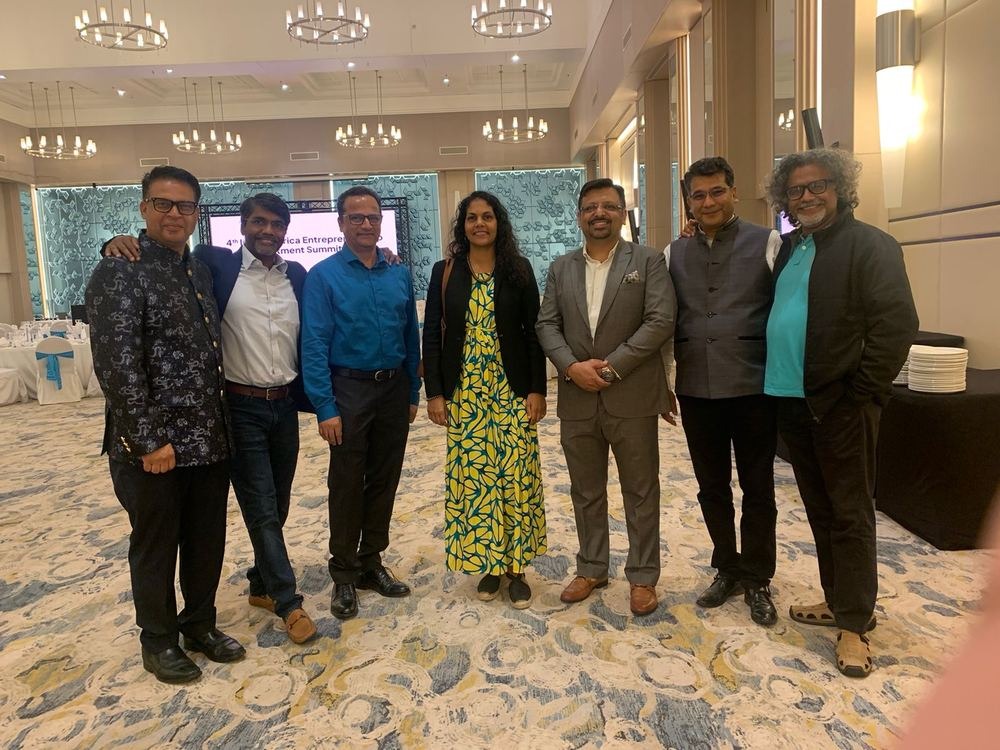
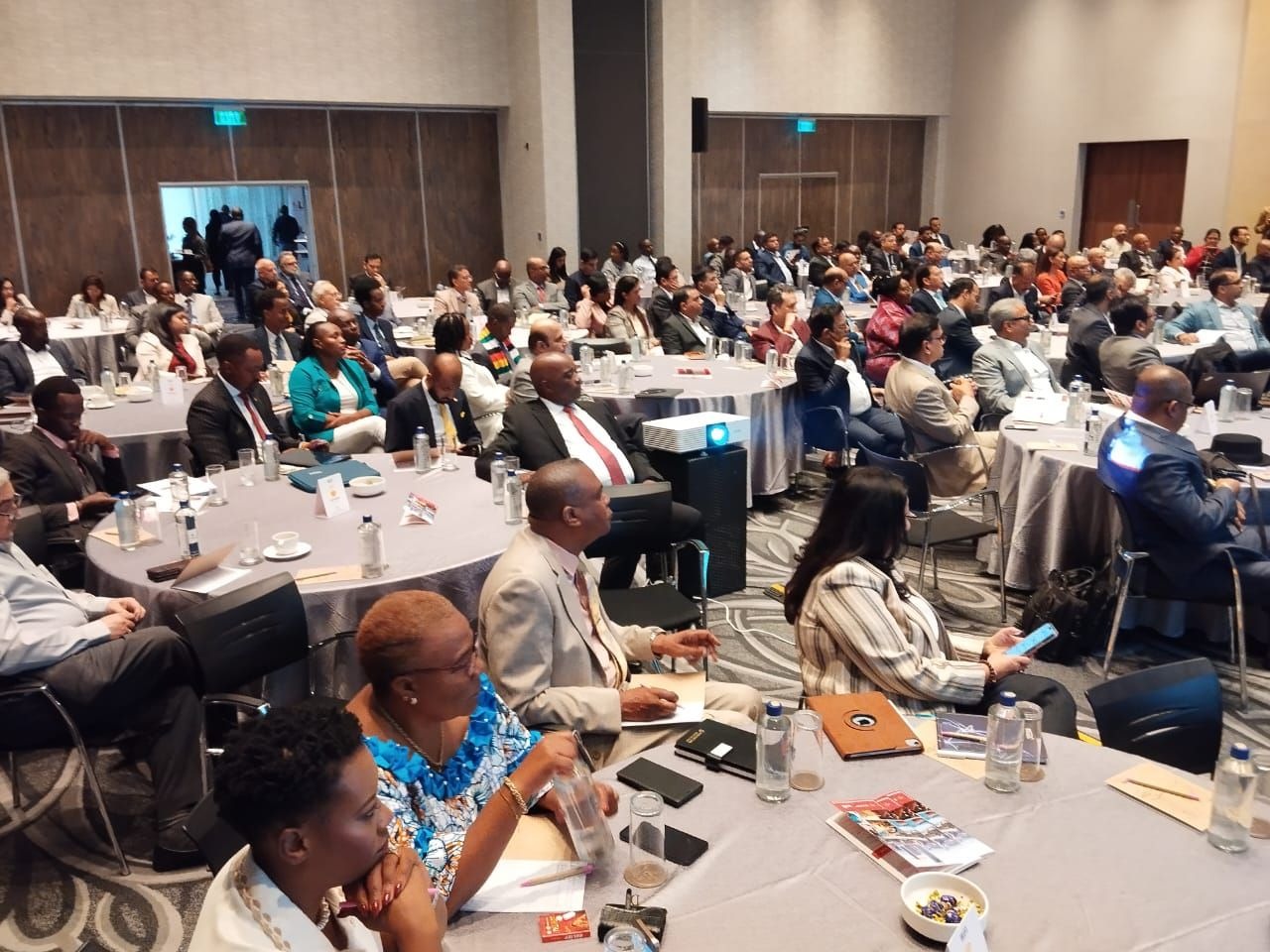
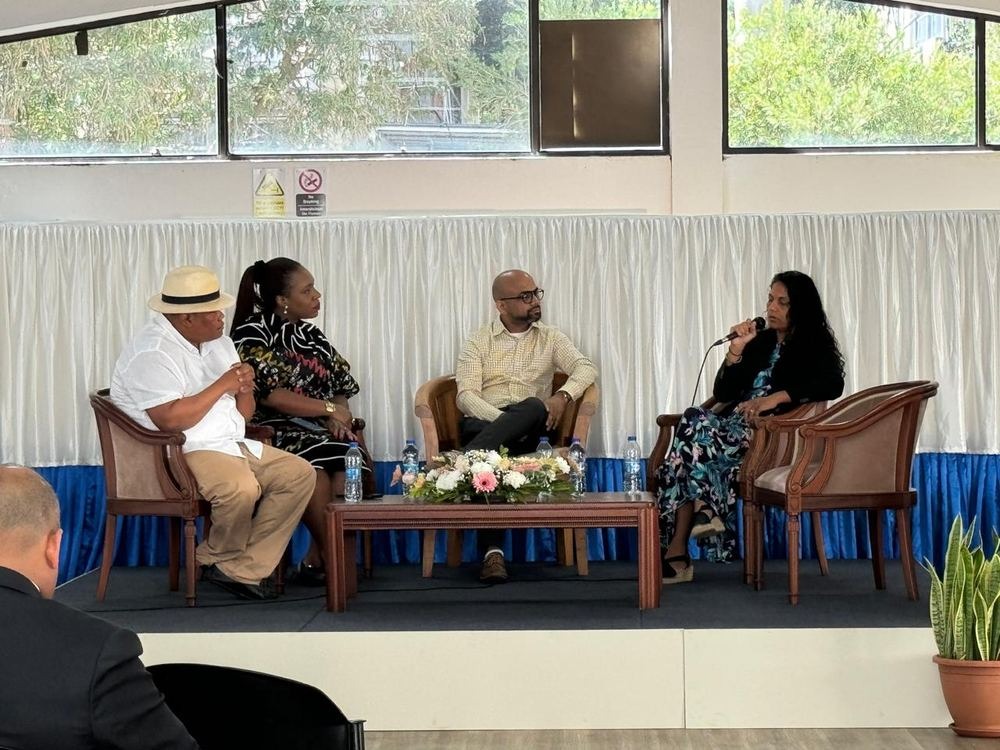
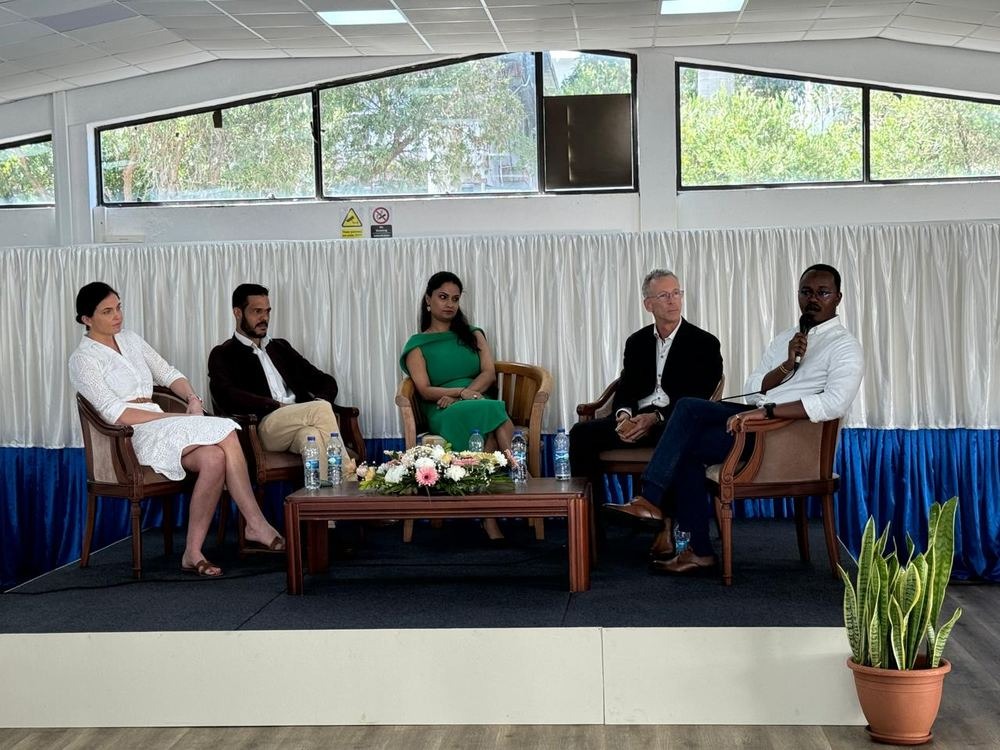
HCC Launch | IAEF 2026, Cape Town | July 13, 2026
Register Your Interest
HCC Launch — July 13, 2026 · Cape Town, South Africa
Invitation-Only Event
Please register only if you are one of the following:
- President of an institution
- Chancellor or Vice-Chancellor of a university
- Head of a national body or university association
- Head of a Funding Agency or Private Enterprise in human capacity building
- Head of a government department or regulatory body covering School Education, Higher Education, TVET, Assessments, Employability or related fields
Important Contacts
Also Join IAEF Summit 2026
The 6th India-Africa Entrepreneurship and Investment Summit runs July 13-15, 2026 in Cape Town — pre-eminent entrepreneurs, investors and policymakers from both regions.
Summit Details